When it comes to your wedding day, timing is everything—you can’t just wing it and hope everything falls into place, trust me! While it’s easy to get caught up in fun details like decor, flowers, and favors, your timeline is one thing you don’t want to overlook. A well-planned, thoughtful timeline is key to pulling off a wedding that’s smooth and enjoyable.
But it’s not enough to just jot down a few times and call it a day. Your timeline needs to account for lighting, photo times, travel between venues, and all the little moments that make your day unique. That’s why reviewing it with your planner and photographer is so important—that’s where I come in.
If you’re ready to start drafting up your wedding timeline, I’m here to help guide you through it. Here’s how to create a wedding timeline that works for you, along with all the must-know tips to make your day feel effortlessly beautiful.
1. Start With the Basics: What Time Is Your Ceremony?
Your wedding revolves around your ceremony. Think of it as the anchor for your entire wedding day—it’s the one thing that doesn’t move. Once you know when you’ll be saying “I do,” you can work backward for getting-ready photos, first looks, and couple portraits, and forward for family photos, cocktail hour, and reception coverage.
For example, if your ceremony is at 3 PM, you might schedule hair and makeup to start mid-morning, portraits around 1:30 PM, and family photos immediately after the ceremony. Building your timeline around the ceremony ensures you have enough time for all the moments you want captured without feeling rushed.
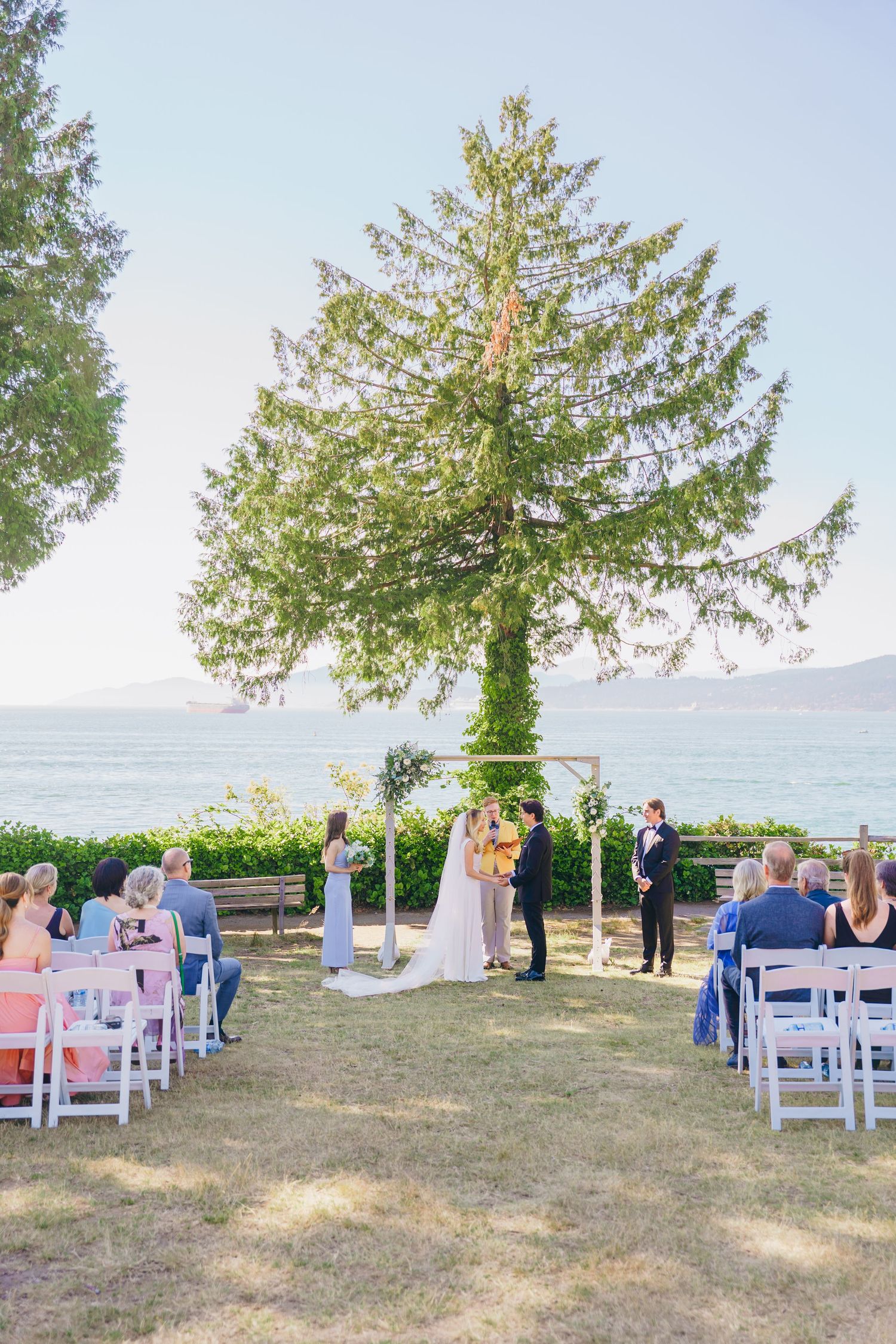
2. Build Your Timeline Around the Lighting
Lighting is honestly one of the biggest things that can make or break your wedding photos—and it changes depending on the season, so it’s worth keeping an eye on for your specific day. You’ll probably want your ceremony while the sun’s out, and you’ll also want to make sure there’s time for portraits in that beautiful natural light.
Golden hour? That’s the magic hour—soft, dreamy, and basically every photographer’s favorite. Midday sun can be harsh, so we’ll plan around it to avoid squinty eyes and harsh shadows. Evening indoor receptions rely on artificial lighting, which can work, but natural light is always the easiest way to make your photos pop. And here in Vancouver, with our classic unpredictable weather, building some wiggle room into your schedule is a lifesaver for getting your day in the best light.
3. Decide on a First Look (or Skip It)
One of the biggest decisions that’ll affect your wedding day timeline is whether or not to do a first look. A first look gives you a private moment together before the ceremony, giving you some time to calm any pre-wedding nerves and also get those couple portraits out fo the way before the ceremony. On the other hand, some couples prefer the tradition of seeing each other for the first time at the aisle, which is incredibly romantic—but it usually means fitting in portraits after the ceremony.
There’s no right or wrong choice here, but whichever route you take will affect the flow of your day, so it’s worth giving some thought to what feels right for you.
4. Break Down How Long Photos Actually Take
One of the most common mistakes couples make is underestimating how long photos actually take. Rushing through couple, wedding party, or family portraits can throw off your entire timeline—and nobody wants that stress on their big day. While a quick Google search might give you a general idea, the truth is every wedding is different, and timing really depends on your unique plans, locations, and personalities.
This is where your photographer comes in. An experienced photographer can guide you on how to realistically section out time for each part of your day. Having a clear, well-planned schedule for photos not only keeps the day running smoothly but also ensures you get all the shots you want—without feeling rushed or stressed.
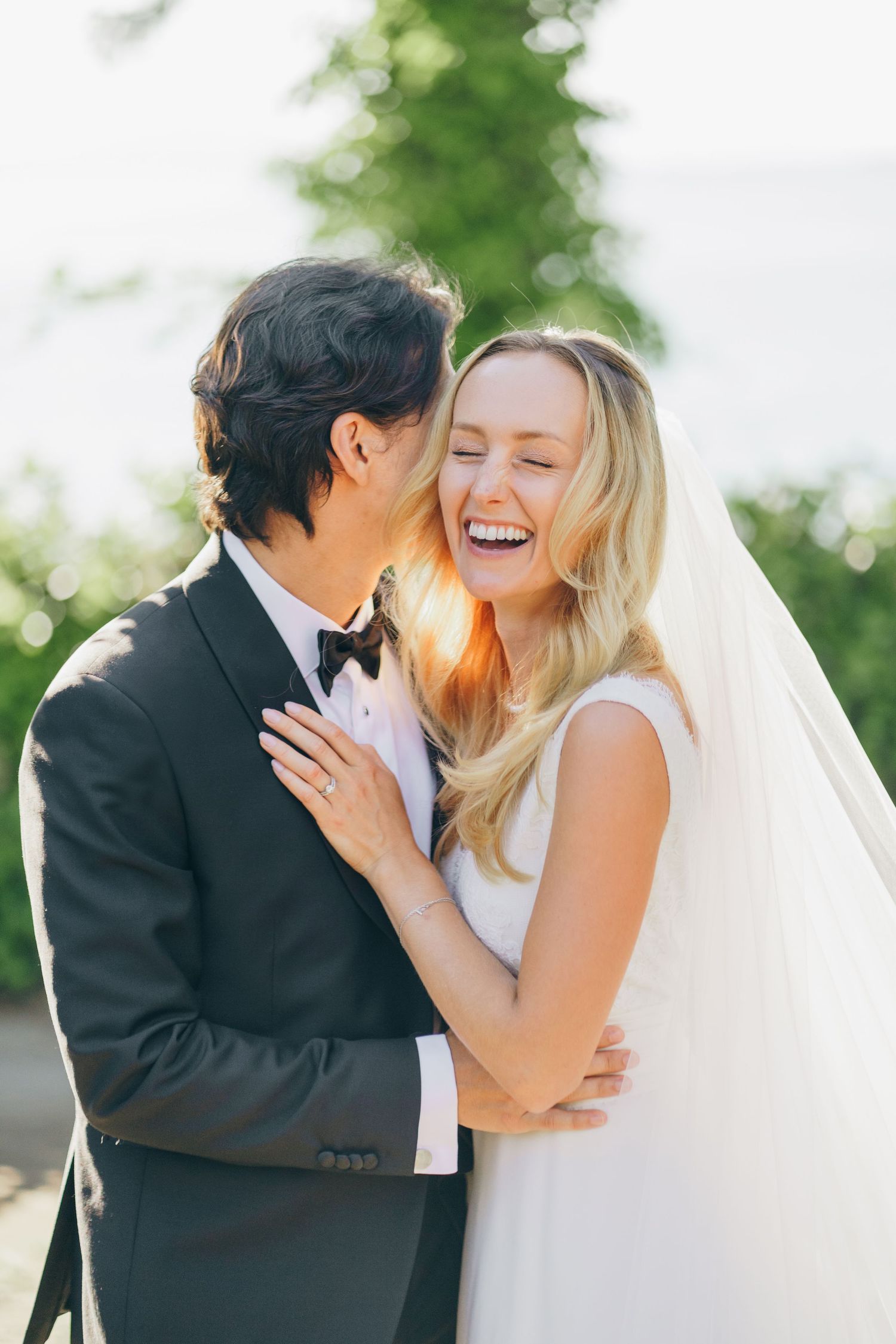
5. Don’t Forget the Details
When you’re building your wedding timeline, it’s the little details that can make a big difference. Factor in travel time between locations so you’re not rushing from one spot to the next, and plan for quick hair and makeup touch-ups throughout the day to keep everyone looking fresh. If you’re hoping for those dreamy golden hour portraits, be sure to schedule them around sunset—trust me, that soft, magical light makes your photos look absolutely incredible. Paying attention to these small details ahead of time keeps your day running smoothly and ensures your photos capture every special moment beautifully.
6. Add Buffer Time Everywhere
No matter how perfectly you plan, things almost always take longer than expected. Your hair and makeup can run late, traffic could eat up time, and rounding up everyone for family photos sometimes takes longer than you think. That’s why I always recommend adding about 10–15 minutes of buffer between each part of your day.
That extra time is a safety net that’ll help keep your wedding day relaxed if any speed bumps come up. From a photographer's perspective, it still gives me a chance to capture moments authentically, without feeling rushed or stressed. Trust me, a timeline with breathing room makes a huge difference in your wedding day.
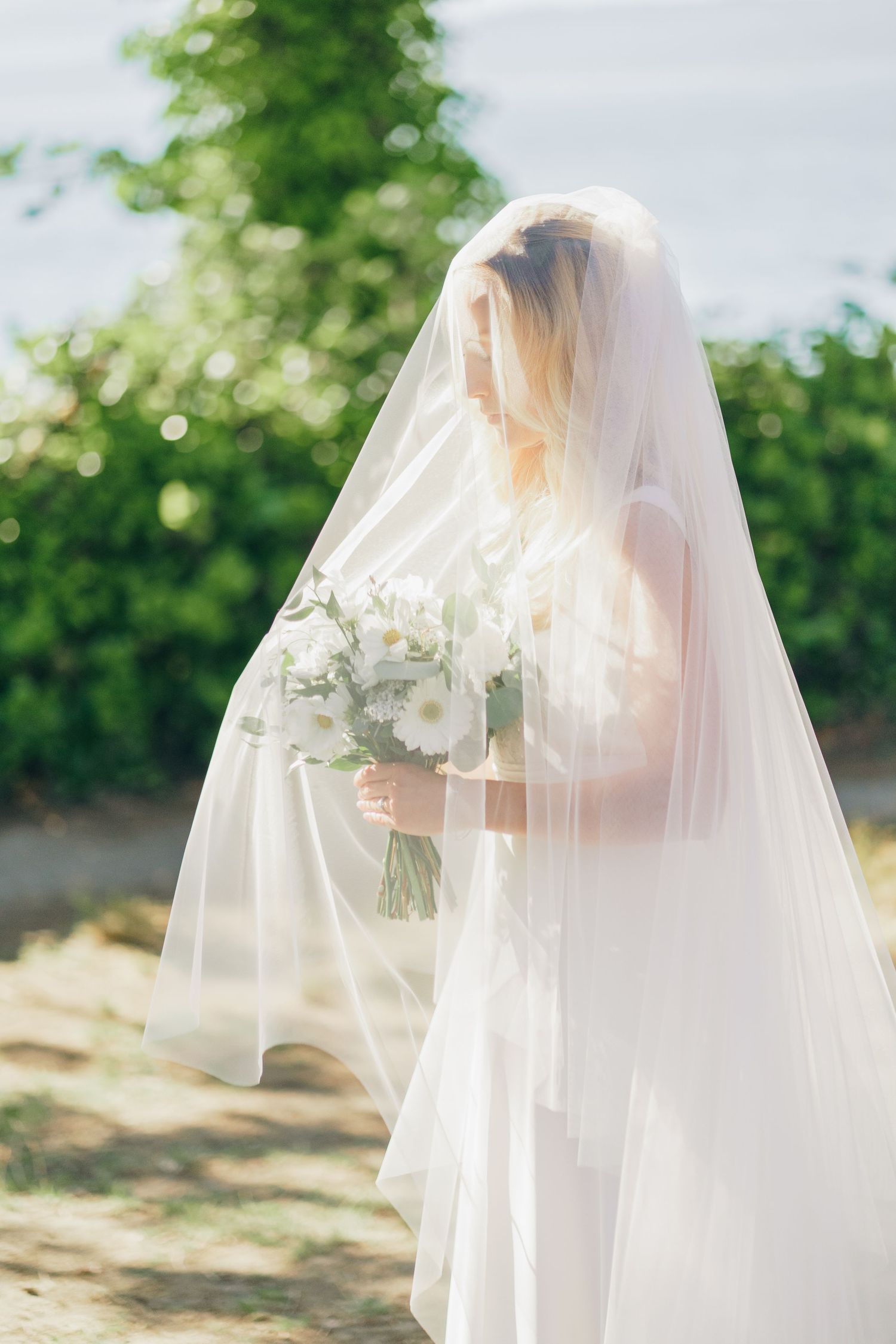
Still Searching for a Photographer to Capture Your Big Day?
As a wedding photographer, my job isn’t just to deliver stunning photos; it’s also to make sure you have an amazing experience. Think of me as your sidekick, helping out every step of the way. From our first conversation to the final gallery, I’ll be by your side, offering support, advice, and direction to ensure every detail comes together perfectly—yes, this includes creating your wedding timeline.
Ready for a fun, personalized photography experience? Let's chat. Send over your wedding day details, and let’s set up a free consultation. I can’t wait to work with you and create lasting memories together!