Picture this: you’ve spent months planning your dream wedding, invested in a professional photographer to capture every moment, and then—bam—your guests’ phones end up in every single photo. If this sounds like your worst nightmare, you know exactly why the idea of an unplugged ceremony is so appealing.
As a wedding photographer, I’ve seen it all—grandparents blocking the aisle with iPads snapping photos, friends leaning over to get “the perfect shot.” And as sweet as it is, it’s not what you want for your wedding photos. You hire a professional for a reason, and no zoomed-in iPhone photo is ever going to beat your professional shots—trust me.
So, if you’re on the fence about whether an unplugged ceremony is right for you, I’ve got you covered. Let’s break down the pros and cons and help you decide if going screen-free is the move for your big day.
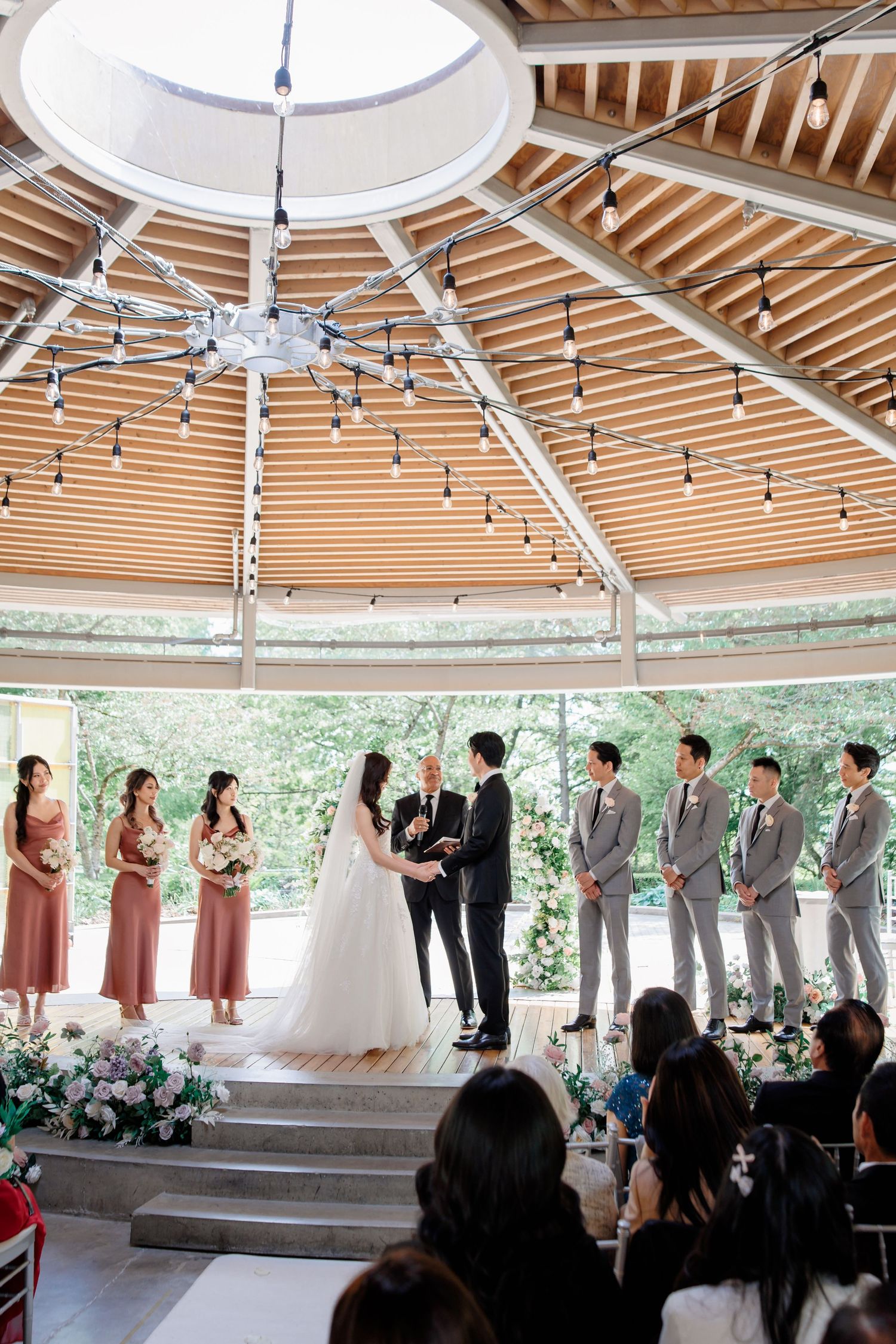
What is an Unplugged Wedding Ceremony?
An unplugged wedding ceremony is exactly what it sounds like: a moment where couples ask their guests to put away phones, cameras, and tablets, and just be present. This trend is growing because couples want their guests to focus on the experience, avoid awkward photo-bombing, and truly savor the moment without screens between them and the ceremony.
There are a few ways to do it. Some couples go fully unplugged, meaning no devices at all during the entire ceremony. Others take a partial approach, like a “social media minute” led by the officiant. During this short window, guests can take out their phones and snap as many photos or videos as they want, letting them get it out of their system before the ceremony continues.
Pros of an Unplugged Ceremony
There are plenty of reasons couples are leaning towards unplugged ceremonies, and as a photographer, I see the benefits firsthand—not just for photos, but for the entire wedding experience.
1. Everyone is Fully Present
Without everyone worrying about getting the perfect shot or posting to Instagram, your friends and family can actually be in the moment with you. The tears, laughter, and hugs feel more genuine—and they show up in your photos, too.
2. Better Photos Without Distractions
One of the biggest perks? Guests’ phones aren’t blocking my view or showing up in your shots. No more random arms holding up iPhones in the middle of your first kiss or grandparents leaning over the aisle. Plus, without phones in the mix, candid moments flow naturally, and those real, emotional snapshots are way easier to capture.
3. Makes Your Experience Better
When you’re standing in front of your guests during the ceremony, you want to look out and actually see your people—your closest friends, your family, all the faces you love. With an unplugged ceremony, that’s exactly what you get. Instead of phones blocking everyone’s expressions, you’re met with real smiles, teary eyes, and genuine reactions. It makes the entire experience feel more heartfelt, more meaningful, and way more memorable.
4. Guests Can Actually Cheer
Once you’re officially married and walking back down the aisle, that moment is gold. It’s your guests’ chance to cheer, clap, toss confetti—basically celebrate the heck out of you. But if everyone is holding up their phones trying to get content, they’re not fully in it with you. With an unplugged ceremony, guests can put their phones down and actually experience the joy, throw the confetti, wave the streamers, and celebrate with both hands. And trust me, those reactions make for some of the best photos.
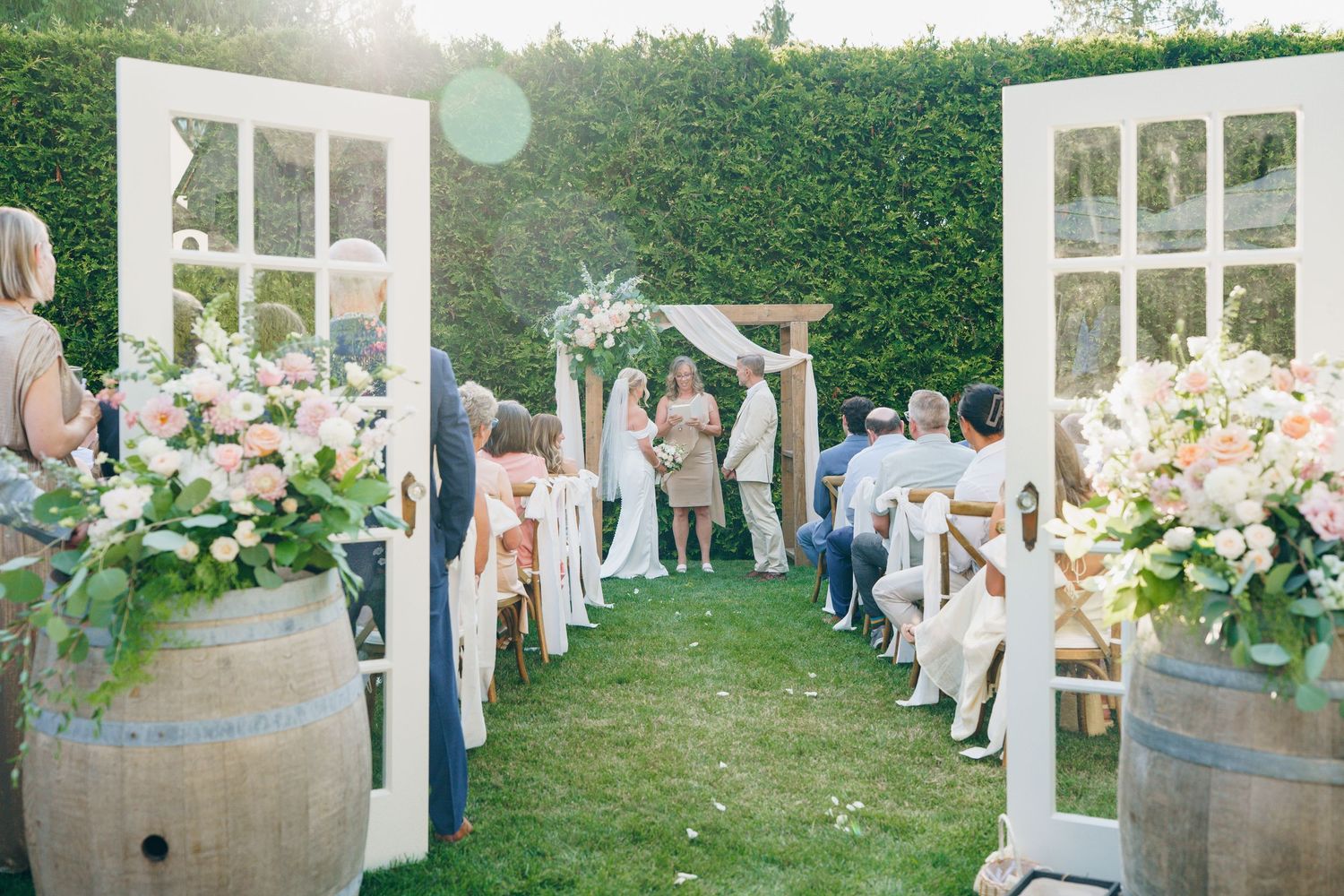
Cons of an Unplugged Ceremony
While unplugged ceremonies have a lot of perks, they’re not for everyone. Here are a few things to consider before committing to going completely screen-free.
1. Some Guests Might Feel Disappointed
Let’s be real—some people love taking photos at weddings. It makes them feel involved, creative, and excited. When guests are asked to put their phones away, a few might feel like they’re missing out on capturing special moments for themselves.
2. You Lose That Instant Social Media Buzz
If you were hoping for a flood of ceremony photos on Instagram Stories right after saying “I do,” an unplugged ceremony means that’s not going to happen. You’ll get beautiful professional photos later, but those day-of posts from friends won’t be part of the mix.
3. It Requires Clear Communication (More Than You Think)
Just putting a sign at the entrance isn’t always enough. Guests need reminders—on the invitation, on your wedding website, and from your officiant. Otherwise, at least one uncle will try to sneak out his phone mid-ceremony. It’s just human nature.
5. You Might Have to Enforce the Rule
This is the part couples usually don’t think about: someone has to enforce the unplugged request. Whether it’s your planner, your officiant, or your wedding party, someone may need to remind guests—more than once—to keep devices tucked away, which can feel a bit awkward.
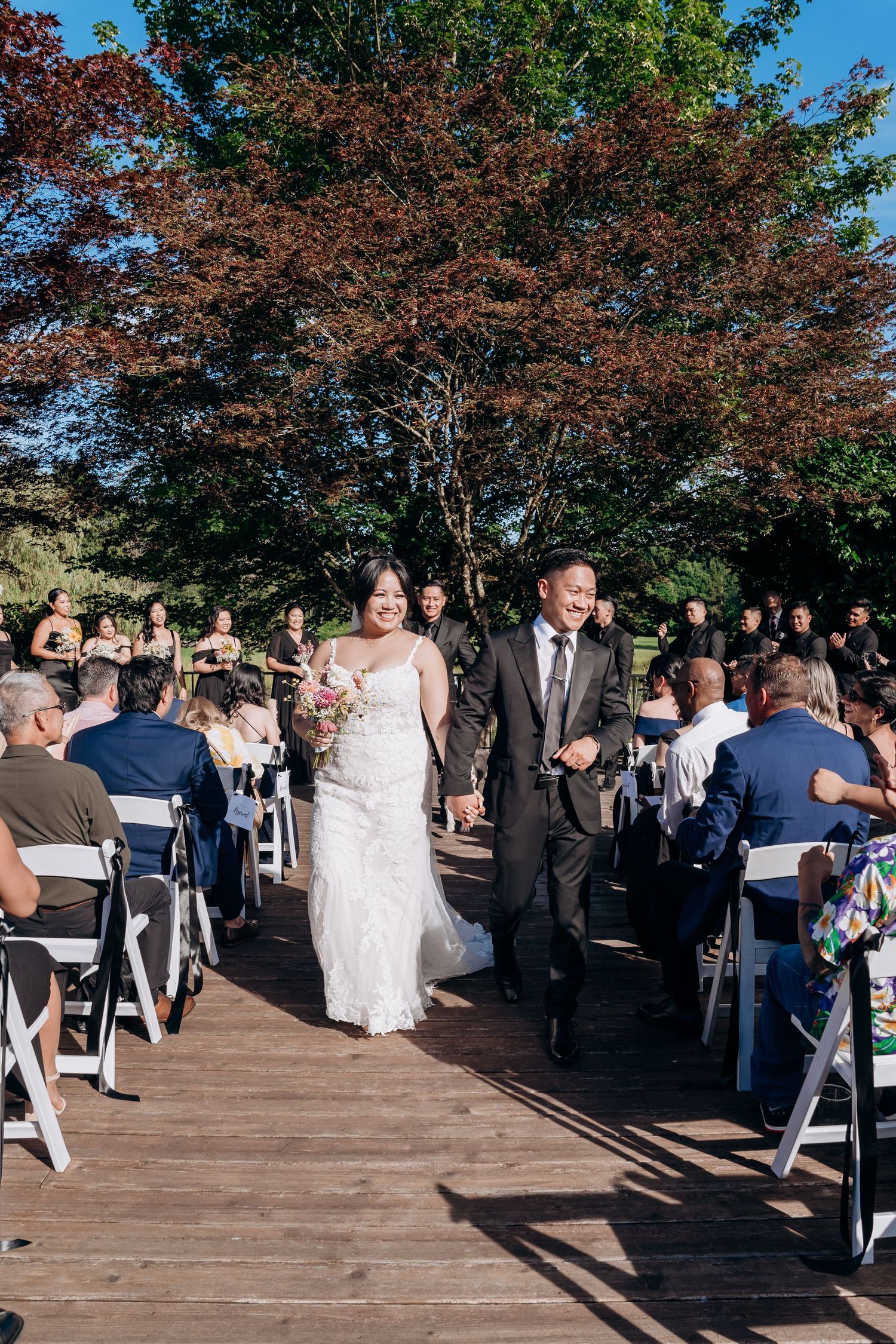
What’s My Take as a Wedding Photographer?
Honestly? I’m a big fan of unplugged ceremonies. From a photographer’s perspective, they make a huge difference. When guests put their phones away, they feel more present. You get real reactions, uninterrupted moments, and a ceremony that feels intimate rather than filtered through a hundred screens.
And trust me, your photos will thank you for it. At the end of the day, you hired a professional to capture everything beautifully, so let your guests enjoy the moment while I handle the rest.
If you’re still looking for your dream wedding photographer, let's chat! From our first conversation to the final gallery, I’ll be by your side, offering support, advice, and direction to ensure every detail comes together perfectly.